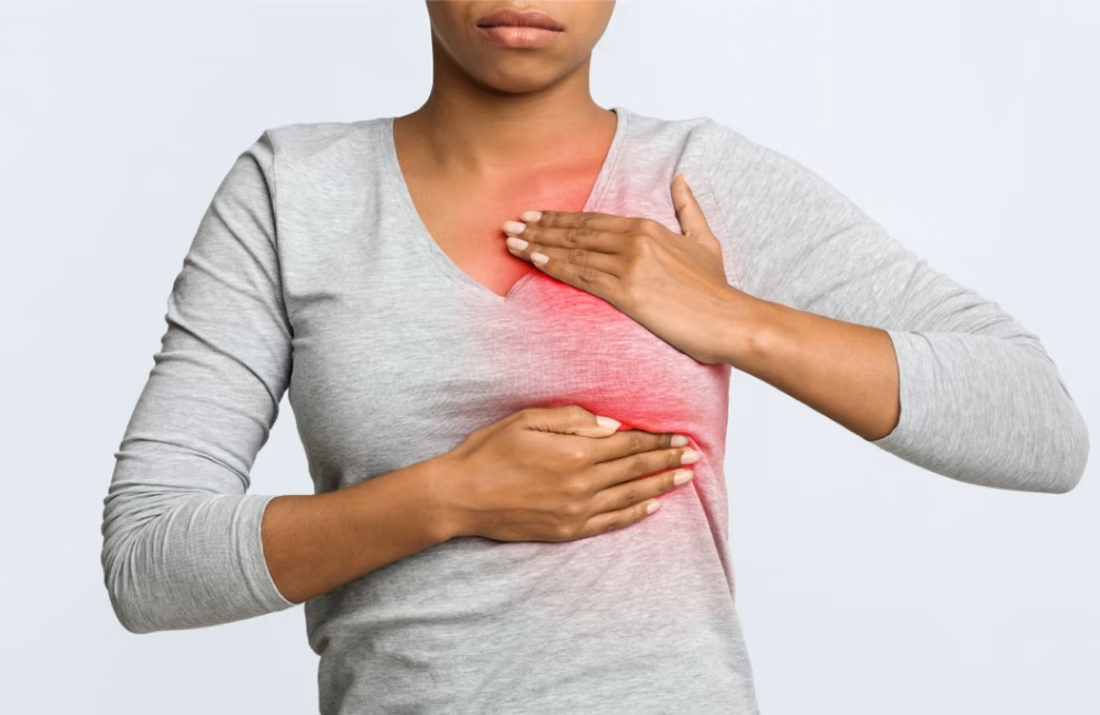
MASTOPAHTY - WHAT YOU NEED TO KNOW.
🌸 Understanding Fibrocystic Mastopathy: What Every Woman Should Know
Did you know that more than half of women who visit a gynecologist or mammologist receive a diagnosis of fibrocystic mastopathy (also known as fibrocystic breast changes)? It’s far more common than most people think—and while it can sound alarming, it’s usually a benign (non-cancerous) condition that simply reflects hormonal changes in the breast tissue.
Let’s take a closer look at what it is, how to recognize it, and what simple lifestyle and wellness habits can help support breast health naturally.
💗 What Is Mastopathy?
The word mastopathy literally means “breast disorder.” It’s a general term used for several types of benign breast tissue changes that occur due to hormonal imbalances in the body—especially in estrogen, progesterone, and prolactin.
The breast is highly sensitive to hormonal fluctuations, which is why changes in stress levels, weight, sexual activity, or overall metabolism can influence its structure.
🩺 Types of Mastopathy
Doctors usually describe three common patterns of this condition:
-
Diffuse Mastopathy – Characterized by breast tenderness, a sense of heaviness, or mild pain, especially one to two weeks before menstruation. Discomfort is often felt in both breasts.
-
Fibrocystic Mastopathy – Similar to the diffuse form but with small, palpable cyst-like areas that may feel round and tender to the touch.
-
Nodular Mastopathy – Often symptom-free and only detected during a ultrasound or mammogram, when distinct nodules are discovered in the breast tissue.
🔍 Possible Symptoms
Women may notice:
-
Localized thickening or lump-like areas in the breast
-
Mild or dull breast pain or pressure
-
A feeling of fullness or heaviness
-
Swelling in the underarm lymph nodes
-
Nipple sensitivity or discharge
-
Changes in the skin, small cracks, or slight nipple retraction
It’s important to remember that these signs are not unique to mastopathy—so if you notice any of them, see a qualified healthcare professional immediately.
👩⚕️ Diagnosis and Medical Check-Ups
A doctor (typically a mammologist or gynecologist) will usually recommend:
-
Breast ultrasound or mammography to visualize changes in tissue structure
-
Hormonal blood tests to identify possible imbalances
-
Biopsy, if any suspicious nodules or cysts require further evaluation
Depending on results, your healthcare provider may also refer you to an endocrinologist for additional hormonal assessment.
And here’s the golden rule: 💡
Schedule a mammogram once a year — even if you feel perfectly fine. Preventive care saves lives.
🌿 Lifestyle and Nutritional Support
While mastopathy itself requires medical observation, a healthy lifestyle and balanced nutrition play an essential role in supporting breast and hormonal health.
Here are a few tips inspired by holistic wellness principles:
🧘♀️ Support Relaxation and Hormonal Balance
Stress can affect hormone production and worsen discomfort. Relaxing herbal blends like Halo Yamsin (with poppy, passionflower, and lemon balm) may help promote calm and restful sleep.
💧 Support Gentle Detoxification
Keeping your body hydrated and balanced helps maintain overall wellness. Halo Gonsin, a botanical tea rich in antioxidants and Dead Sea minerals, can complement a healthy detox routine.
💊 Nourish With Vitamins and Antioxidants
Nutrients such as vitamins A and E are crucial for maintaining healthy cells and protecting against oxidative stress. Supplements like Halo Goldseen (rich in CoQ10, vitamin E, and minerals) and Halo Daxin Plus offer antioxidant support.
💚 Protect Liver Function
Since the liver helps metabolize hormones, keeping it healthy is vital. Nutritional complexes such as DND and Halo Ravseen (with Omega-3 fatty acids) support metabolic and cellular health.
🌸 External Care
Natural topical products like Halo Solaris Cream and Halo Shea Butter help soothe, soften, and maintain the skin’s natural elasticity.
🍽️ Nutrition Tips for Breast Health
Your diet matters—especially for hormone balance.
-
Include iodine-rich foods like seafood, seaweed, yogurt, eggs, and hard cheeses.
-
Choose iodized salt and natural mineral waters with trace elements.
-
Limit highly processed, fried, or smoked foods.
-
Favor whole foods, leafy greens, whole grains, and fresh fruits.
Over time, small dietary adjustments can make a big difference in your energy, skin health, and hormonal well-being.
🕊️ Final Thoughts
Mastopathy may sound intimidating, but it’s not a reason for panic. In most cases, it’s a manageable and benign condition that responds well to proper medical care, mindful nutrition, and self-awareness.
Listen to your body, schedule regular screenings, and treat your wellness as a lifelong priority.
✨ Because health isn’t just about living longer — it’s about living better, with comfort, balance, and confidence.
📚 References (Verified Sources)
-
Cuneo KC, Dash RC. Fibrocystic breast changes: A review. Clin Obstet Gynecol. 2021;64(2):306–314. doi:10.1097/GRF.0000000000000600.
-
Santen RJ, Mansel R. Benign breast disorders. N Engl J Med. 2005;353(3):275–285. doi:10.1056/NEJMra035692.
-
Diab SG, Elledge RM, Clark GM. Tumor characteristics and clinical outcome of tubular and mucinous breast carcinomas. J Clin Oncol. 1999;17(5):1442–1448.
-
Mohebati A, Shaha AR. Benign breast disorders: Classification, diagnosis, and management. Oncol Rev. 2011;5(1):e2. doi:10.4081/oncol.2011.e2.
About the author : David

Related Posts